Here’s the hard truth about your monthly electricity bill: you’re likely paying for much more than just the power you actually use. While headlines sometimes promise miraculous "zero bill" solutions from industrial giants, the real story for homeowners is far more practical—and potentially lucrative if you know where to look. Recent analysis of consumer data reveals that nearly half of a typical bill goes toward system maintenance, taxes, and losses, not the electrons powering your lights.
The confusion often stems from misleading claims about industrial projects, such as rumors regarding Indian Railways creating an "Electricity Bill Zero" center at the Kalka Workshop. However, available records show no evidence of such a specific initiative in Haryana. Instead, the focus has shifted to actionable strategies for residential users, centered around a framework known as the AMG model and the financial realities of solar adoption.
Decoding Your Bill: Why Half Is Gone
To understand how to cut costs, you first need to see what you’re paying for. A recent documentary-style breakdown highlighted a household with a total monthly bill of ₹7,672. The shocker? Only ₹3,775—less than 50%—was for the actual energy consumed. The remaining ₹3,897 covered wires, technical losses, fuel charges, electricity duty (₹141), and state taxes (₹143).
This structure is common across many grids. You are essentially subsidizing the infrastructure that delivers power. This explains why simply turning off lights doesn’t halve your bill; the fixed costs remain. Understanding this split is crucial before making any changes to your home’s energy setup.
The AMG Strategy: Avoid, Minimize, Generate
Experts now recommend a three-step approach called the AMG model to tackle these rising costs systematically. It’s not about one magic fix, but a layered defense against high bills.
- Avoid: Replace heavy appliances with energy-efficient models. Old refrigerators or AC units can consume significantly more power than modern inverters. Switching to latest technology reduces the baseline load.
- Minimize: Optimize usage. If a room needs only 10 watts of light, don’t use a 100-watt bulb. Keep windows open for natural ventilation to reduce fan dependency. Every unused watt counts.
- Generate: Produce your own power. This is where solar panels and water heaters come in, reducing reliance on the grid entirely.
Solar Subsidies: Real Numbers, Fast Payouts
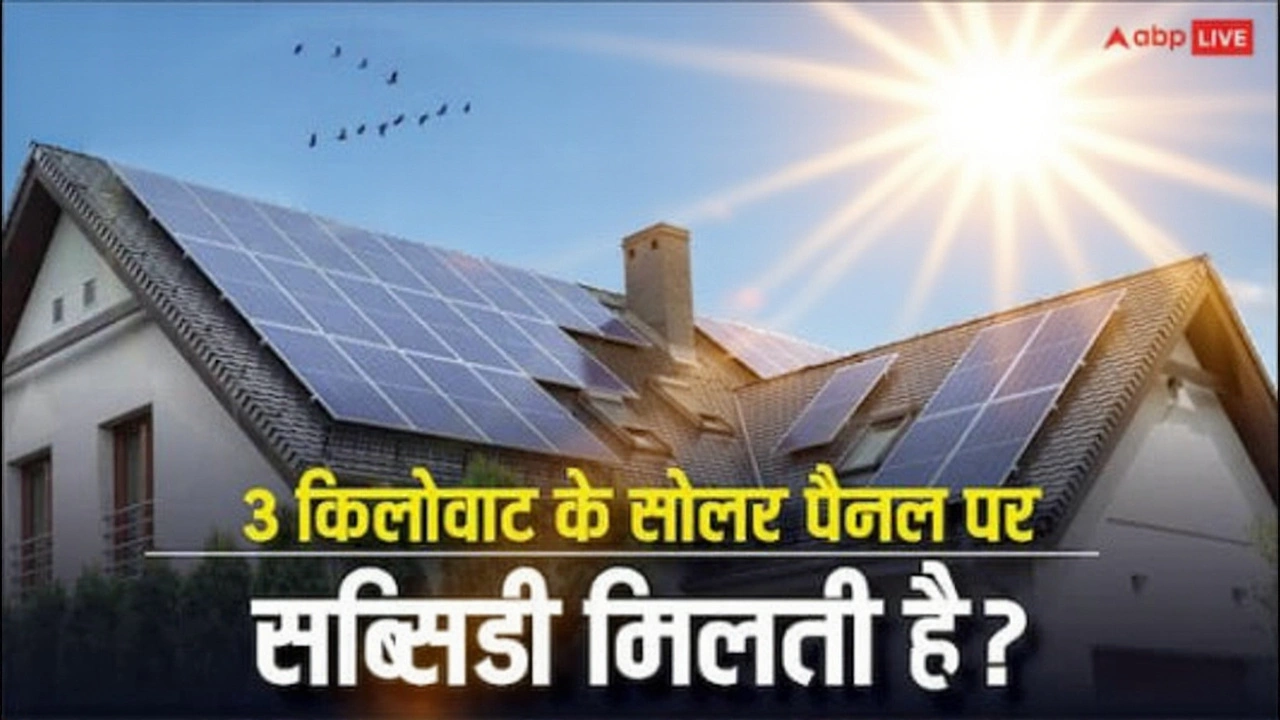
Generating your own power isn’t just eco-friendly; it’s financially backed by government schemes. In one documented case, a homeowner installed a 3-kilowatt solar system. The result? They received a subsidy of ₹78,000 within just three weeks of application. This rapid turnaround makes the initial investment much more manageable, effectively lowering the payback period for the system.
While specific brand recommendations vary, the principle remains consistent: generating clean energy offsets the "system costs" mentioned earlier. When you generate power, you bypass the distribution losses and some tax layers associated with grid electricity.
Meter Mechanics and Legal Warnings
Before considering DIY fixes, understand how measurement works. Most digital meters in India display a rating like "3200 impulses = 1 kWh" or "3600 impulses = 1 kWh." This means the LED blinks 3,200 times for every unit of electricity used. It’s a precise mechanical count.
Here’s the warning: tampering with input or output terminals to slow this count is a criminal offense. Authorities can impose heavy fines or even jail time for meter manipulation. Don’t risk legal trouble for small savings. Stick to legitimate efficiency upgrades instead.
Global Context: Decoupling Profits
Interestingly, some international utilities are changing their business models to align with conservation. For instance, Pacific Gas and Electric Company (PG&E) uses a "decoupling" mechanism. This ensures their profits aren’t tied directly to how much energy customers buy. They source 96% of their power from greenhouse gas-free sources and actively encourage conservation without losing revenue. While this model isn’t yet standard everywhere, it highlights a global shift toward valuing efficiency over volume.
Frequently Asked Questions
What is the AMG model for reducing electricity bills?
The AMG model stands for Avoid, Minimize, and Generate. It involves avoiding inefficient appliances, minimizing unnecessary usage through behavioral changes, and generating your own power via solar panels. This holistic approach targets both consumption habits and infrastructure upgrades.
How much of my electricity bill is for actual power?
In many cases, less than 50% of your bill covers actual energy consumption. The rest pays for transmission losses, system maintenance, fuel charges, and various taxes. For example, a ₹7,672 bill might only include ₹3,775 for actual power used.
Is there a subsidy for home solar systems?
Yes, governments offer significant subsidies. A recent example showed a homeowner receiving ₹78,000 for a 3kW solar system within three weeks. These incentives help offset installation costs and accelerate the return on investment.
Can I tamper with my electric meter to save money?
Absolutely not. Tampering with meter terminals is illegal and can result in heavy fines or imprisonment. Meters are sealed for security reasons, and any interference is easily detectable by utility companies.
Does Indian Railways have a zero-bill solar project in Kalka?
There is no verified evidence of an "Electricity Bill Zero" center at the Kalka Workshop in Haryana. Claims about this specific initiative appear to be unconfirmed rumors. Focus should remain on proven residential strategies like the AMG model.